
Kimchi is the soul of Korean cuisine – a traditional fermented vegetable dish that is equal parts history, preservation science and cultural identity. While many associate kimchi with spicy, fermented cabbage, there are actually hundreds of varieties, each with its own history and uses.
Did you know that the word 'kimchi' comes from the ancient term chimchae (hanja: 沈菜), which means "soaked vegetables"?
You may have found that the taste of commercially produced kimchi can seem a bit too strong. But it hasn’t always been that way. If you make kimchi at home according to the old traditions, it actually resembles sauerkraut – vegetables fermented in salt. It was only later that people started adding spices, chili, garlic, fish sauce and other exciting ingredients.
Red chilies (gochugaru) were actually first introduced to Korea in the 16th century by Portuguese traders during the Joseon Dynasty. It took another 200 years for the chilies to become a regular ingredient, giving kimchi the iconic red color and strength we know today.
Interesting fact: The traditional communal act of making kimchi before winter, known as Kimjang, is included on UNESCO's list of Intangible Cultural Heritage of Humanity.

Make your own vegan kimchi with Smagseventyr
At Smagseventyr we value the pure flavors of fantastic ingredients and we love to give you new ideas for your cooking. That's why we invite you to try your hand at homemade kimchi with cabbage and carrots. It's 100% vegan, rich in fiber, lactic acid bacteria, vitamins A and C, and it's packed with antioxidants.
Ingredients:
- 1 large head of Chinese cabbage
- Fermented salt Wild raspberries (or sea salt + chili flakes to taste)
- 3 small carrots
- 1 pc. fresh ginger (approx. 1 cm)
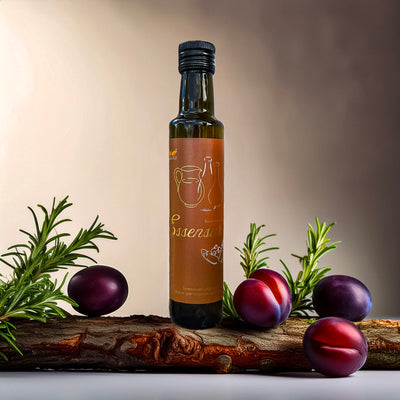
- 3 tbsp. Magical Christmas Time Essence (for Christmas kimchi) or Flower Stone Coin Essence
Procedure:
Preparation: Wash your hands thoroughly. Weigh the cabbage, carrots and ginger and note the total weight (this is important for the amount of salt).
Cut the vegetables: Cut the cabbage into thin strips and place in a large bowl. Grate the carrots and ginger and mix with the cabbage.
Salting: Add salt equal to 2% of the weight of the vegetables. Massage the salt well into the mixture until the ingredients start to release liquid. You can do this in stages: Massage a little, let it stand for 30 minutes, and repeat the process two more times.
*Taste Adventures tip: If you use our fermented salt, fermentation will start faster than when using regular sea salt.
Packing: Transfer the entire mass and the extracted liquid into a large, tall container (a 2-3 liter jar from IKEA works great). Add 3 tbsp. Essensur to create the perfect environment for the beneficial bacteria to work their magic.
Pressing: Press the mixture down well with completely clean hands until you can see that the liquid covers the cabbage, carrots and ginger.
Weight: Fill a freezer bag with cold water – it will act as a weight to keep all the vegetables under the liquid. Place the bag in the jar on top of the kimchi and close the jar loosely (without a rubber ring, or leave the lid loose) so that CO2 can escape during fermentation.
Fermentation: Place the jar on the kitchen counter and wait 2-3 days. Taste it with a clean fork. If you like the taste and smell, it's ready. If not, give it a few more days and taste again.
Storage: Once you are satisfied with the taste, put the kimchi in the refrigerator. Here your homemade, vegan kimchi (without garlic) can keep for months.
Is it healthy to eat homemade kimchi?
Yes! Kimchi is a probiotic food, meaning it is rich in beneficial lactic and acetic acid bacteria. Probiotic foods can improve your gut health by creating an environment where the “good” bacteria thrive. This can provide several benefits:
Reduced inflammation and improved immunity: While inflammation is a natural response, chronic inflammation can create health problems. Probiotics can help reduce inflammation and protect against infections.
Better blood sugar and fat control : Probiotics can help stabilize your blood sugar and keep cholesterol levels within a healthy range, reducing the risk of lifestyle diseases.
Disease prevention : Your gut contains bile acids to break down food, but too much acid can be harmful to the colon. Specific probiotic strains can help regulate this environment.

How do you eat kimchi?
Kimchi has an exciting, complex flavor that can be enjoyed on its own or as a side dish with rice, grains, or whole grain bread. You can also use it in stews, scrambled eggs, or sauces – just be aware that heating can kill the probiotic bacteria (although it still tastes great!).
We highly recommend a peanut butter and kimchi sandwich. It may sound strange, but it's a great combination! It gives you all the essential amino acids and enriches your gut flora with both probiotics and prebiotics (the fiber from the bread and vegetables).
Enjoy your plant-rich meals – and be the best version of yourself!


0 comments